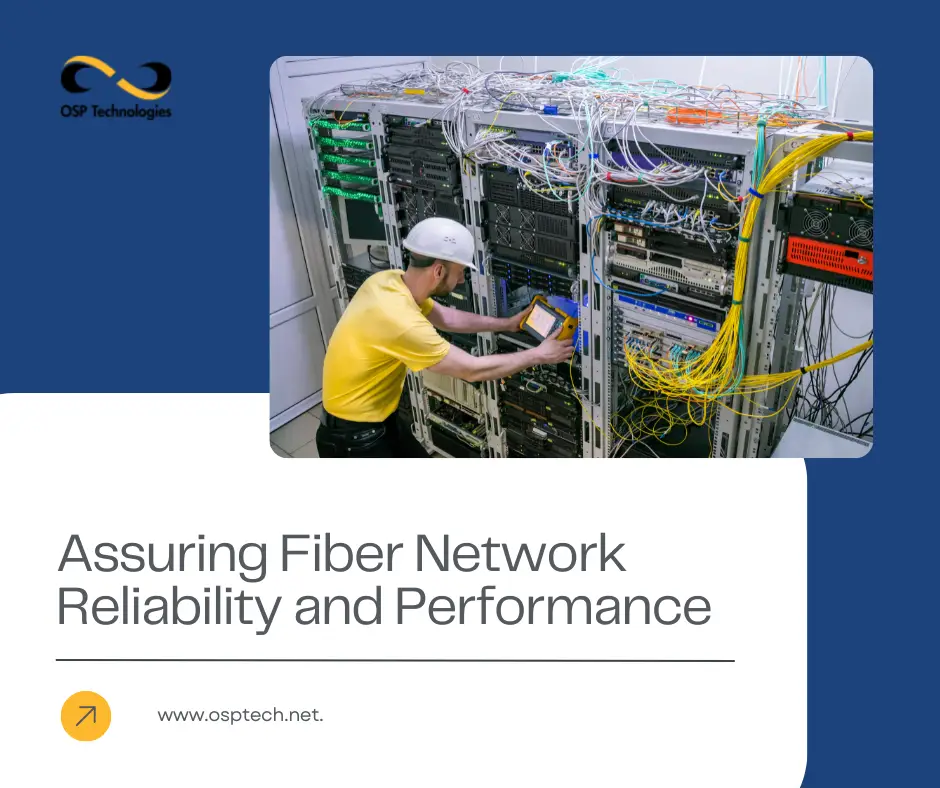
When using an Optical Time Domain Reflectometer (OTDR) to monitor fiber-optic levels, it is essential to keep networks running smoothly. An OTDR tests fiber-optic cables by sending light pulses through the fiber and measuring the light that is reflected. This helps providers maintain the level of reliability and performance emphasized in industry research. Organizations like NTCA and FBA have emphasized how high-quality fiber infrastructure supports long-term network performance. You can read more on this topic in the Broadband Infrastructure Playbook 3.0. These standards reinforce the importance of consistent testing and monitoring. With tools like OTDRs, technicians can find problems early, reduce downtime, and keep telecom and utility networks connected.
An OTDR gives technicians a clear picture of the fiber’s condition and enables them to pinpoint and repair issues. Making it a key tool for ongoing maintenance and to meet high industry benchmarks.
Benefits of OTDR Fiber Status Monitoring
- Faster repairs when every minute counts: When a fiber issue occurs, OTDR technology helps technicians pinpoint the exact location of the problem instead of searching blindly. That means crews can get to the right spot faster, make repairs sooner, and keep customers online with minimal disruption.
- More consistent network performance: With regular OTDR monitoring, providers get a day-to-day snapshot of how their fiber is really doing. Catching early signs of stress or wear means teams can step in before problems turn into outages. This keeps service reliable and customers happy.
- More intelligent more proactive maintenance: Systems like rack-mounted OTDR devices, can automatically check fiber lines at scheduled times. This takes some pressure off field crews and makes sure the network is consistently monitored. It’s the kind of proactive approach industry groups like SCTE and NTCA highlight as vital for long-term reliability.
- Better readiness for the unexpected: Because OTDR provides a detailed picture of fiber health, teams can respond confidently when something does go wrong. Instead of reacting to surprises, they’re equipped with the insight needed to troubleshoot quickly and keep the network running smoothly.
Advanced Technologies in OTDR Monitoring
Modern OTDR monitoring has come a long way, bringing more intelligent tools and greater confidence to the teams that keep fiber networks running. Now systems do more than simply check signal strength—they can provide a real understanding into the network.
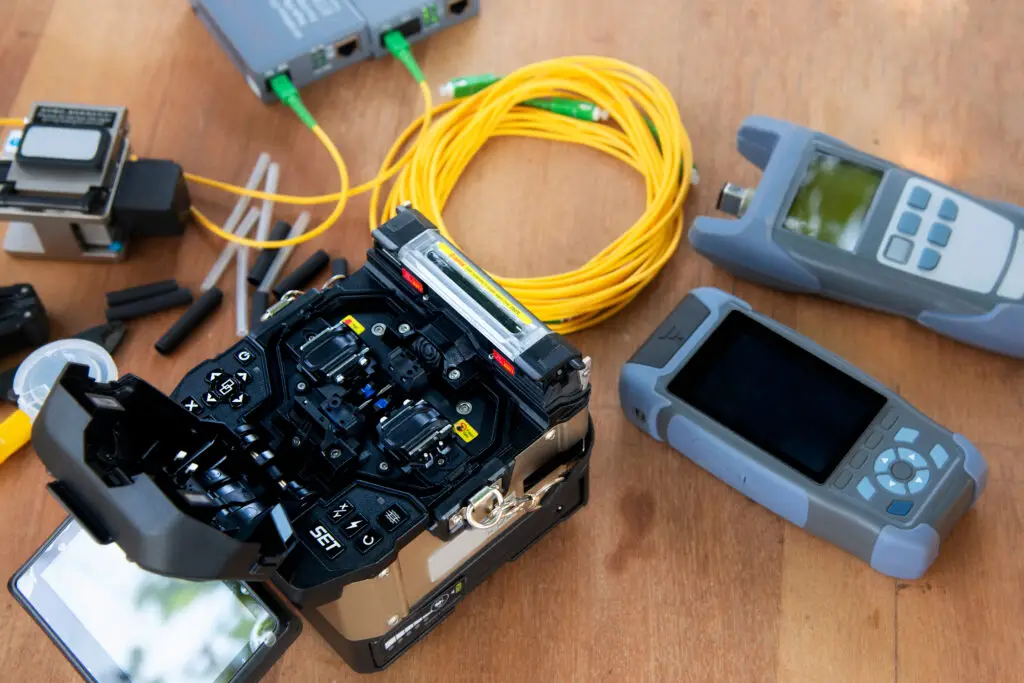
- Intelligent monitoring systems deliver instant updates on fiber reliability and performance. All while providing the information needed to be more proactive rather than reactive.
- AI-powered diagnostics add another layer of defense by using pattern recognition to spot early warning signs of potential failures. This helps providers plan maintenance more effectively and avoid unexpected outages.
- Rack-mounted OTDR solutions automate much of the testing and analysis. Systems like the Sino-Telecom FNMS (Fiber Network Monitor System), for example, can monitor large networks, diagnose issues rapidly, and trigger alerts as soon as a fault appears.
All of these innovations helped to raise the bar for strong, future-ready fiber networks. As demand for high-speed, dedicated connections grows, advanced monitoring tools ensure networks deliver the reliability and performance organizations depend on. This is especially true when supporting mission-critical operations and always-on connectivity.
As fiber networks continue to expand into new communities, the expectations placed on providers grow right along with them. Customers may not always see the complex work happening behind the scenes, but they certainly feel the difference when a network is built and maintained with care. That’s why many teams lean on OTDR monitoring—it gives them the assurance that every mile of fiber is performing the way it should.
What often gets overlooked is how empowering this technology can be for field crews and network engineers. When they have accurate insights at their fingertips, they can make better decisions, solve problems more quickly, and focus their energy where it really matters. It creates a stronger sense of ownership and pride in the network they’re supporting.
At the end of the day, reliability isn’t just a technical metric—it’s a promise providers make to the people and businesses who depend on them. OTDR monitoring helps them keep that promise, day after day.
Applications and Importance:
Telecom and utility organizations count on robust fiber-optic networks to keep communities connected, deliver fast speeds, and handle ever-growing data needs. When teams look after fiber health, they can catch little issues early and help ensure everyone enjoys smooth, reliable service.
Advanced OTDR technology builds on this by giving professionals the insights they need to stay a step ahead of any issues. It’s not just about protecting daily performance—it’s about getting the network ready for what’s next. As the need for fast, reliable connections continues to grow, investing in routine fiber monitoring is one of the wisest choices a provider can make.
In short, OTDR fiber status monitoring uses precise testing and advanced systems to protect fiber-optic networks. With fast fault detection and real-time updates, it is a key component to managing networks with strong reliability and performance.