Learning the Trade, One Pole at a Time:
The Early Days
I started my career in the late 70’s. I started out at the bottom as a ground hand on an aerial construction crew. This is back when we hooked poles (no bucket trucks), we used brasin bits and manual hand crank / ratchet drills there were no gas or electric drills. Back in those days, we invented the names of tools and hardware, words like pork chops, pig ears, figure 8, eaten poles, etc. If you have been in the industry for any length of time, you know what these things are. I am an old lineman that had a desire to learn more, and more… I was like a sponge… soaking it all in.
Over the years, I climbed the ranks one step at a time like everyone else… But, I never stopped climbing. I have been fortunate enough to have had some great teachers, and also that teacher named the school of hard knocks, and finally later in my career I obtained my BS and MS of Computer Science, and continued my climb into leadership roles with the largest MSO’s in the USA and Canada.
I was taught growing up, that anything worth doing was worth doing right… and I still live by that. Unfortunately, that mindset seems to be rare these days. Many professionals claim to take pride in their work, but it’s not always reflected in their craftsmanship. Taking pride in what you do means fixing a problem when you see it even if you didn’t cause it-because it’s the right thing to do.
The Decline of Outside Plant Conditions: What I'm Seeing Today
Outside plant conditions in Telecommunications are at an all time low in my opinion. I say this because I see it everywhere I look. As someone who travels extensively, I see the state of OSP infrastructure across multiple regions-and it’s not looking good.
Years ago, it was exciting to see who was doing what, and how they were doing it! It was a form of pride in seeing all the excellent craftsmanship. Today, it’s more common to see fiber hanging off poles, or worse… splice cases laid on the ground along with all the fiber storage loops. You can routinely identify broken lashing wire, that allows the active plant to sag to minimal clearances. Even worse, supervisors and managers often drive right past these issues without taking action.
Why Outside Plant Maintenance Still Matters
A Threat to the Customer Experience
In the telecommunications industry, the outside plant (OSP) comprises the physical cabling and infrastructure necessary to deliver services to end users. This includes everything from the cables running along streets to the utility poles and cabinets housing essential network equipment. While digital innovation gets most of the attention in telecom, the physical infrastructure-the outside plant- is still critical to delivering reliable services. Neglecting outside plant conditions in telecommunications can have far-reaching effects on the overall customer experience.
The Role of the Outside Plant in Telecommunications:
Backbone of the Network
The outside plant (OSP) forms the backbone of any telecommunications network. It is responsible for carrying data over long distances, connecting homes and businesses to service providers. The quality and reliability of this infrastructure directly impacts the performance, reliability and availability of services such as internet, television, and phone. As with humans a healthy backbone is critical.

Key elements of the OSP:
Cables:
Copper, fiber optic, and coaxial cables that transmit data.
Poles and Conduits:
Structures that support and protect the cables.
Distribution Points:
Cabinets and junctions where connections are made and signals are amplified.
Network Terminals:
Points at which the network interfaces with customer premises equipment (CPE).
Consequences of Neglecting the Outside Plant
Low or no signal
Frequent Service Interruptions
First and foremost, poor outside plant conditions in telecommunications lead to unreliable service. Damaged or degraded cables, corroded connectors, and poorly maintained distribution points can lead to signal loss and connectivity issues. For customers, this translates to frustrating service outages, dropped calls, and slow internet speeds.
Weekend Signal Integrity
In addition to outages, customers may experience poor signal quality. Issues such as attenuation, interference, and noise can arise from damaged cables or poor insulation. As a result, customers may experience pixelated TV signals, poor audio quality in voice calls, and slower data transfer rates.
Higher Maintenance Costs Over Time
Over time, neglected infrastructure costs more to maintain. Neglected infrastructure often requires more frequent and costly repairs. Emergency fixes and reactive maintenance are typically more expensive than proactive upkeep. Service providers may find themselves in a cycle of constantly addressing urgent issues, diverting resources away from planned improvements and expansions.
Loss of Customer Trust
Naturally, poor performance leads to unhappy customers-and churn. In an era where consumers have multiple options for telecommunications services, a neglected outside plant can drive customers to switch providers. High churn rates can erode the customer base and damage the provider’s reputation.
Safety Hazards
Perhaps most concerning, neglected lines and hardware create real risks the public and field crews. For example, damaged utility poles or exposed cables can create risks for both technicians and the public. Ensuring the physical integrity of the OSP is essential for maintaining a safe environment.
The Path to Improvement:
Be Proactive
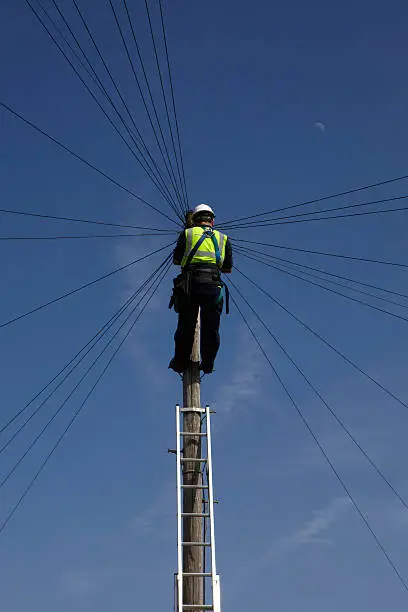
Regular Inspections and Preventive Maintenance
To get ahead of problems, telecom providers must conduct routine inspections and resolve issues before they escalate. This includes checking for physical damage, corrosion, and wear, and addressing issues before they escalate.
Convert Expenses into Capital Upgrades
Instead of constantly reacting to failures, turn the neglected areas into capital improvement projects. Upgrading to more durable and advanced materials, such as fiber optic cables, can significantly improve the reliability and performance of the OSP. Modernizing infrastructure reduces maintenance needs and enhances service quality.
Prioritize Training for Field Crews
Skilled field technicians are the frontline of quality OSP. Ongoing training ensures problems are promptly fixed-not just patched. Well-trained technicians are better equipped to identify and address issues promptly.
Using Modern Tools and Monitoring
Remote diagnostics and digital mapping tools can alert teams to damage or wear long before it causes outages. Implementing such technologies enables proactive maintenance and minimizes downtime.
The outside plant condition in telecommunications is a critical component of the telecommunications ecosystem. Neglecting this infrastructure can lead to severe consequences, including service interruptions, reduced signal quality, increased maintenance costs, customer dissatisfaction, and safety hazards. By investing in field training, better materials, and proactive inspections, providers can elevate service quality and protect their reputation in a highly competitive industry while improving the overall customer experience.
#OutsidePlant #AerialPlant #Telecommunication #CATV #FiberOptics #HFC #FTTx
🔧 Want to learn how OSP Technologies can help improve your outside plant conditions?