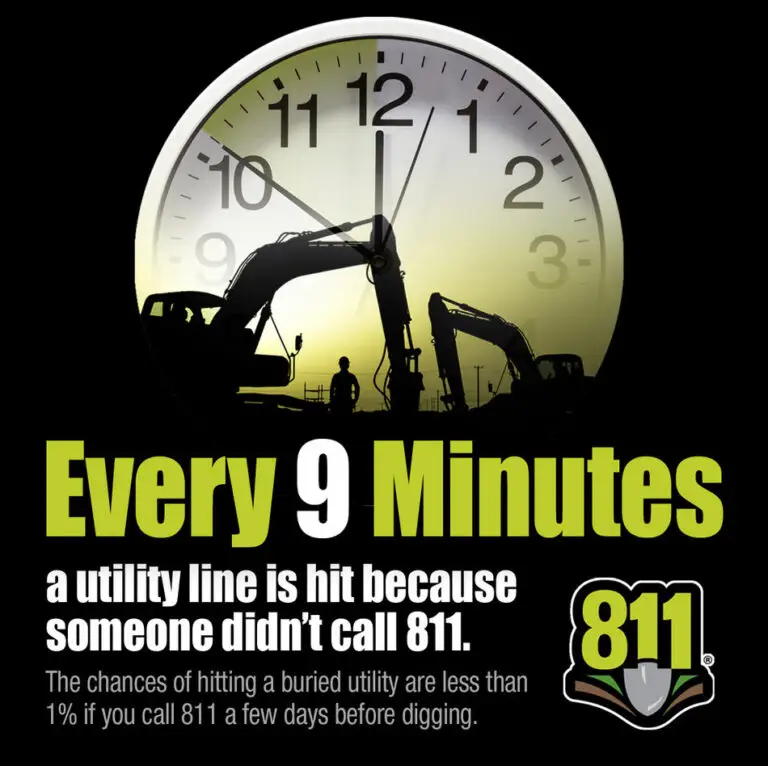
Beneath every modern city lies a vast network of underground utilities: water, sewer, storm, natural gas, electric, and telecommunications. These systems sustain daily life but present enormous challenges when work requires excavation. Accurate locating of utilities is critical for safety, cost efficiency, and regulatory compliance. This is why many states require Locating Underground Utilities before construction begins. Yet, un-locatable pipes, incomplete participation in mandated locate systems, and poor construction practices make this task far more complex than it should be.
The Importance of Locating Underground Utilities

- Safety: Striking a high-voltage power line or gas pipe can have life-threatening consequences.
- Cost: Damaged utilities can result in six-figure repair bills, liability lawsuits, and fines.
- Service Reliability: Every damaged water main, fiber line, or sewer disrupts public life and local businesses.
- Project Efficiency: Accurate locates save time and reduce unnecessary excavation.
The Role of Telecommunication Providers
Telecommunication providers, especially fiber-optic operators, face steep risks when utilities are not located. A single fiber cut can knock out service to thousands of customers, including hospitals, financial systems, and schools. Because of this, telecom providers are among the most diligent participants in 811 “Call Before You Dig” programs.
Ironically, while telecoms frequently comply with strict locate obligations, they often face blame for delays in construction—despite the fact that their networks are among the most expensive and disruptive to repair if struck.
Municipalities and the Locate System Gap
State laws generally require utility owners to participate in “Call Before You Dig” or 811 systems. Excavators rely on these systems to know what lies underground before a shovel or drill ever breaks ground.
However, municipalities and MUD (Municipal Utility District) entities frequently exempt themselves or neglect participation:

- Many water and sewer systems are not registered with the locate system at all.
- Some cities delay or decline locating underground utilities, citing resource constraints.
- Outdated or inaccurate records create blind spots that excavators cannot anticipate.
This creates a double standard: municipalities may be the first to complain when their lines are struck, but often fail to engage in the very process designed to prevent such incidents.
The Importance of Locating Underground Utilities
Even when municipalities participate, detection is not always straightforward.
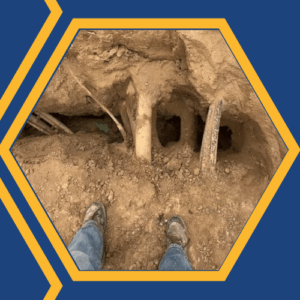
- Non-Metallic Materials: PVC, clay, asbestos cement, and concrete pipes cannot be traced with standard electromagnetic tools.
- Aging Systems: Older lines often lack any form of tracer wire or detection system.
- Congested Corridors: Dense utility corridors cause interference and confusion.
- Soil & Environmental Factors: Certain ground conditions distort detection signals.
These realities make physical verification—via vacuum excavation or test pits—necessary in many cases, adding both time and cost.
The Trace Wire Problem: A Preventable Failure
One of the most significant and preventable contributors to un-locatable pipes is the failure of municipalities and MUD districts to install tracer wire when constructing or replacing infrastructure.
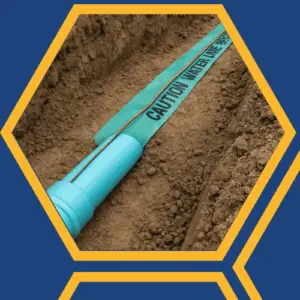
- Best practice: Every new non-metallic pipe (water, sewer, storm) should be laid with a tracer wire or detectable marker tape.
- The reality: Many municipal projects skip this step entirely, either to save costs upfront or due to lax oversight.
- The consequence: Newly installed infrastructure—meant to last decades—becomes invisible to locators from day one, guaranteeing higher risk and higher costs in the future.
This oversight is especially frustrating for private utility operators who are required to meet higher construction standards while municipalities give themselves exemptions.
Consequences of System Gaps
When MUD districts and cities skip tracer wire installation and fail to participate in locate systems:

- Excavators are left guessing, increasing the risk of strikes.
- Telecom providers bear heavy repair costs and customer disruption when their networks are hit.
- Municipalities face service outages they could have prevented.
- The public experiences delays, street closures, and higher utility bills over time.
Addressing the Challenge
- Mandated Participation: Require all utility owners—public and private—to participate fully in 811 systems.
- Tracer Wire Standards: Enforce tracer wire or detectable marker requirements for all new and replaced non-metallic utilities.
- Digital Mapping: Cities and MUD districts must integrate GIS and update records continuously.
- Cross-Utility Collaboration: Share mapping data between telecoms, cities, and private operators.
- Accountability: Hold municipalities to the same safety and quality standards as the private sector.
Safe and efficient excavation depends on cooperation and accountability. Telecommunication providers are often portrayed as the “problem” when delays occur, yet they consistently participate in 811 systems and advocate for damage prevention. By contrast, municipalities and MUD districts frequently fail to do their part—whether by refusing to register utilities, providing incomplete locates, or neglecting to install tracer wire during new construction.
Until cities and districts are held to the same standards as private operators, underground infrastructure will remain vulnerable, costly to manage, and hazardous to those tasked with working around it. The solution is clear: mandatory participation in locating underground utilities programs, modern mapping, and responsible construction practices.